

Coffee brands

Discover the perfect coffee for every moment, knowing you're supporting local coffee growers and the value chain.
Our coffee brands
Click below to learn more

Nescafé
A delicious cup of inspiration


Nescafé Dolce Gusto
Your coffee shop at home


Starbucks Coffee At Home
Your Starbucks, under your roof

Taking coffee forward
As the largest coffee company in the world, innovation is at the core of everything we do. We embrace the opportunities offered by emerging consumer trends. The consumer is at the heart of everything we do: our wide range of coffees are tailored to consumer preferences, and capture value across different price points.
With our 3 iconic global brands – Nescafé, Nespresso and Starbucks – we are present across the coffee portfolio - from soluble, whole beans, portioned, hot and cold, in-home and out- of home, in all geographies around the world.
We continue to strive for taste and quality. It’s why we’re leading the way from cold brews to personalizing the coffee experience through smarter machine connectivity.


Supporting a resilient coffee value chain
As the world's largest coffee buyer, we work with coffee farmers everywhere. It's at the heart of our Nespresso Sustainable Quality Plan and our Nescafé Plan. Over the past 15 years, our combined network of more than 1 600+ agronomists and field staff have worked with hundreds of thousands of farmers, communities, and stakeholders to help them meet the challenges of coffee farming.
Explore our coffee actions


We work with farmers to adopt regenerative agriculture* practices to enhance coffee farming practices and coffee supply resilience, benefiting farmers and farmland ecosystems.
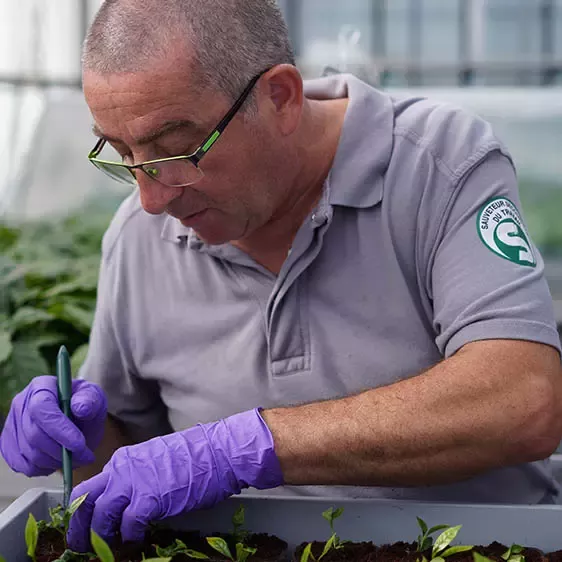

Our Nestlé plant scientists set out to develop plantlets that can resist the effects of climate change and, by being more productive, help reduce carbon emissions by producing more coffee using the same amount of land, fertilizer, and energy.
* In line with the Sustainable Agriculture Initiative Platform, Nestlé defines regenerative agriculture as an approach to farming which aims to conserve and restore natural resources, primarily soil, as well as water and biodiversity, while capturing carbon in soils and plant biomass, and to support farmers’ livelihoods. Examples of regenerative agriculture practices include reduced tillage and agroforestry. More information is available in our Nestlé Agriculture Framework (pdf, 19Mb).